Fascination About Bed Bug Services
Table of ContentsBed Bug Services - TruthsWhat Does Bed Bug Services Do?The 8-Second Trick For Bed Bug Services
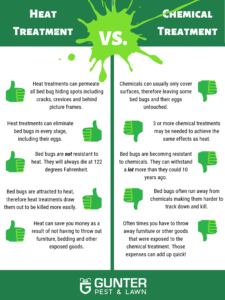
Thermal remediation is a highly effective ways for eradicating bed bugs from homes, apartments, and commercial properties. Unlike insecticide treatments that work only on direct contact, heat affects all areas where bed bugs hide, destroying all stages of the infestation in a single session. Understanding how this process works helps residents make confident choices.The mechanics of heat treatment is well-studied and reliable. Bed bugs die when exposed to high temperatures. Scientific findings confirm that temperatures around 122°F (50°C) can kill bed bugs. For thorough eradication, professionals usually heat the area to 135°F–145°F so that even hard-to-heat areas reach lethal levels. Maintaining high temperatures long enough ensures that every hiding place is affected.
An Unbiased View of Bed Bug Services
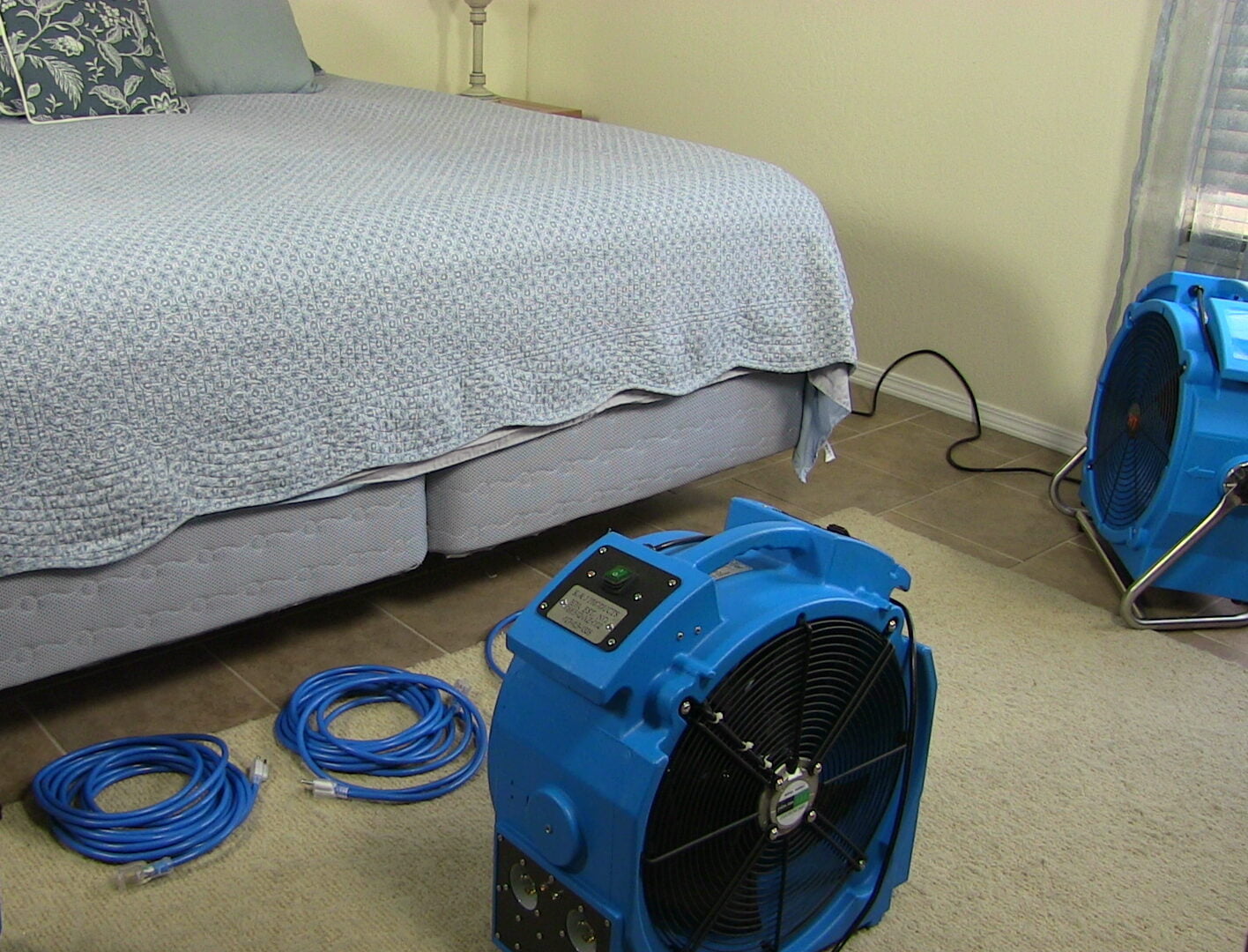
When technicians begin the treatment, they bring in industrial-grade heaters along with air movers to circulate hot air. Rather than turning up heaters to maximum, the heat is gradually increased, which prevents damage and reduces the chance of bed bugs escaping to cooler spots.

After the treatment, the space begins cooling and the area is allowed to cool gradually. Many companies perform post-treatment inspections and provide detailed reports showing temperatures reached, duration, and recommendations. This proof verifies effectiveness and proves the infestation was treated.
Heat treatment has unique benefits. It is chemical-free, which is perfect for households avoiding chemicals. It is often fast anonymous and efficient, check out here allowing people to resume daily life immediately - Bed Bug Services. Heat also reaches deep into furniture, walls, and other hidden areas. Unlike some methods, it kills all stages of bed bugs at once, preventing the need for repeated visits
The Best Strategy To Use For Bed Bug Services
While highly effective, heat treatment has some limitations. It can be expensive for large properties, particularly in multi-unit buildings. Reinfestation is possible if bed bugs are reintroduced, so preventive measures are crucial. Certain items are sensitive to high temperatures, and in multi-unit useful reference housing, additional methods may be needed to prevent spread.
Many professionals use a multi-layered approach to prevent reinfestation. Intercepting traps, passive monitors, and selective residual sprays can confirm the infestation is gone.
After treatment, proactive steps are important. Regular inspections of beds, furniture, and sleeping areas help prevent new infestations. Mattress and box spring encasements trap bed bugs, while keeping areas tidy can reduce the risk of recurrence. Being mindful of used items is also important to prevent bed bugs from returning.
Heat treatment offers a highly effective solution for homes and businesses with established infestations. It provides a fast, eco-friendly, and thorough solution that restores peace of mind. When performed by trained professionals, it kills all life stages without the lingering effects of chemicals, allowing properties to be pest-free quickly.